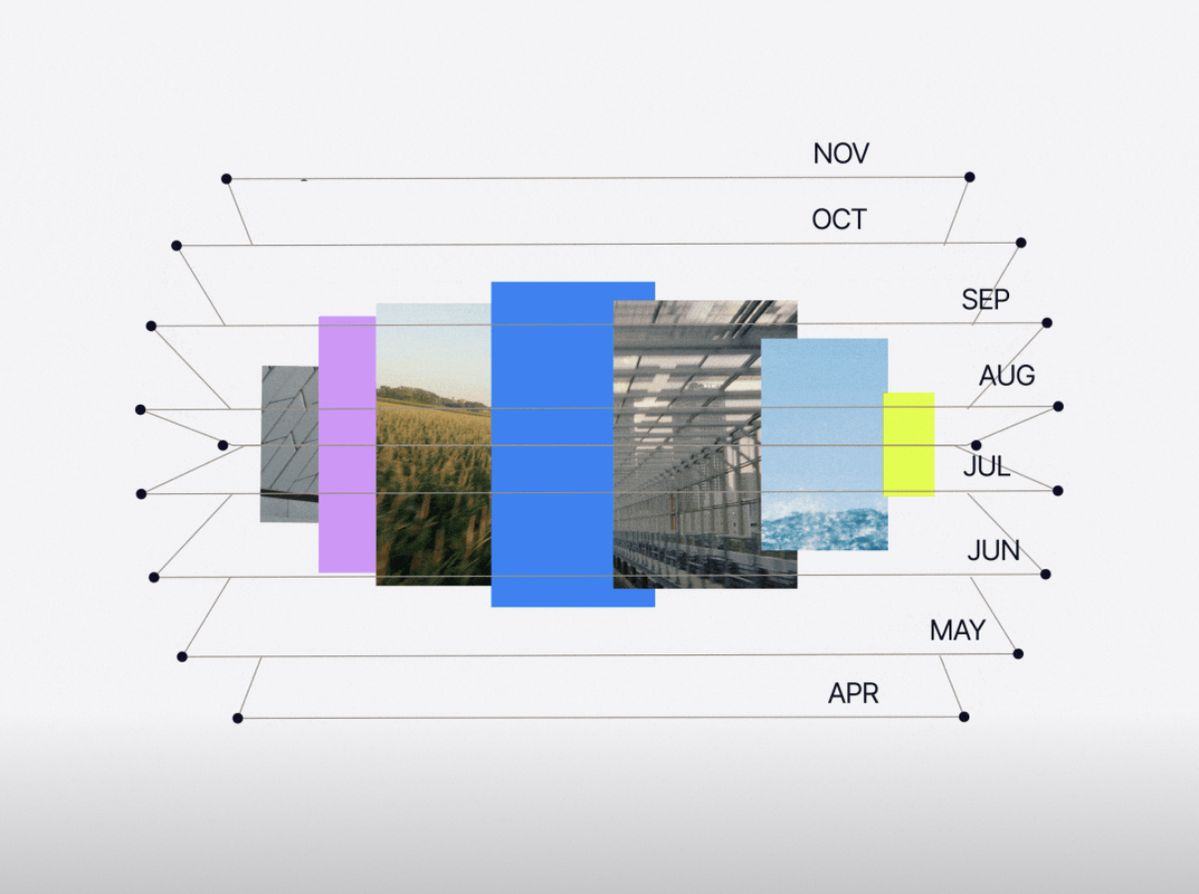
There are three main building blocks to consider when perfecting your presentation: storytelling, design, and public speaking. At Silver Fox Productions, we are there for each step of the process—from conceptualization and drafting, to revision, rehearsal, and the live show. We’ve gathered some insider knowledge here to help improve your presentation and create a show your audience won’t soon forget.
If your presentation is a structure, the story you’re telling is the foundation. It’s the necessary first step, and gets built around it. Without a strong story, valuable information can be difficult to follow and easy to forget.
All good stories contain a clear beginning, middle, and end. Introduce the audience to the topic, guide them through key ideas, and leave them with a memorable takeaway or call to action.
The way you do that fully depends on who your audience is. Consider what your audience already knows, what motivates them, and what they need to take away from the presentation. In a room full of experts and experienced professionals, don’t shy away from being detailed in your explanations and using terminology they would be familiar with. Balance those details with larger ideas and summarizing slides to ease the journey. When an audience is less familiar with the subject, zooming out and simplifying is a better way to communicate your message.
Metaphors and analogies also help audiences understand new ideas by grounding them in familiar experiences. Storytelling is all about human connection, and relatability is key. One thing we've learned from helping clients build presentations is that audiences rarely remember every detail. They remember the story that ties it all together.
Design becomes the walls of your structure, creating a space for your audience to experience the story. Your visuals help tell that story while guiding your audience's attention.
First impressions carry weight, and compelling design captures attention before you even walk on stage. It reinforces your message and delivers clarity. Your presentation deck often serves a purpose beyond the duration of the show, so longevity is important to consider and, helpfully, attainable through design.
"Less is more" remains one of the most important presentation design principles. Slides should support the speaker, not compete with them. When every element is asking for attention, audiences must work harder to find the main point.
We utilize color, shape, and text size to establish a visual hierarchy, making big ideas stand out and bringing details to life on second or third scans. Animations build on that hierarchy by adding context to diagrams and helping the audience focus on key moments as they unfold.
Familiar layouts provide a strong foundation for most presentations, and they work because audiences already understand them. The goal isn't to avoid those conventions but to adapt them to your brand and story. Strategic use of small customizations and occasional creative moments can add personality without sacrificing clarity.
In storytelling, repetition is used to draw connections between seemingly different ideas and hone in on the core message. We often use recurring visual elements in client presentations to create continuity between sections and reinforce the broader narrative.
Great presentation design doesn't just make slides look better; it makes ideas easier to follow, remember, and connect with.
To top off your structure, public speaking is your roof. As the final addition, the roof ties everything together and remains adaptable when circumstances change.
While the story and design are established before you hit the stage, public speaking remains flexible. Rehearsals often reveal opportunities that aren't obvious while building the deck.
1. Identify your personal strengths and use your natural tone
People are most engaged when a subject is presented conversationally. You don't need to abandon professionalism, but you should avoid sounding flat or monotone. Speak in your natural cadence and let your personality come through.
2. Create areas that add emotional depth
Break up the monologue with stories, humor, or audience questions. These moments help reset attention and encourage participation.
3. Practice your body movements and pacing
Movement naturally draws attention, so use it intentionally. Move with new ideas or transitions but avoid pacing so much that it distracts from your message. Be mindful of practical constraints such as cameras or stage size.
4. Be mindful of your audience
Use a few fixed points around the room to help create a sense of connection. You don't need to make eye contact with everyone, but you should engage the entire audience and adjust to the size of the space.
Great presentations do more than communicate information. They create a connection between the speaker and the audience. Storytelling gives people a reason to care. Design helps them understand the message. Public speaking brings those ideas to life in the moment.
When those three elements work together, presentations become memorable experiences rather than collections of slides.
Need help shaping your story and creating visuals that support it? Silver Fox Productions can help with everything, from narrative development and presentation design to rehearsal support and event execution.